
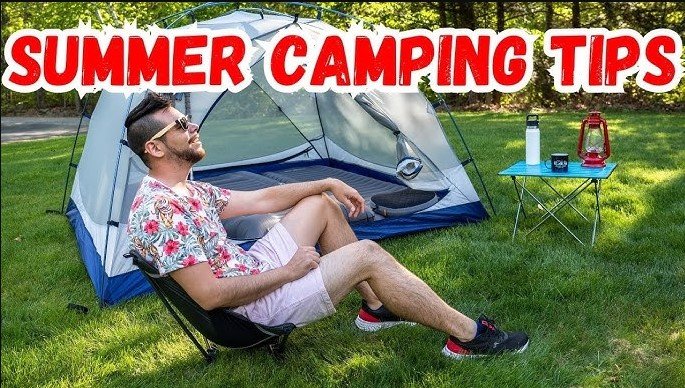
Mastering your summer camping wardrobe is all about balancing breathability with protection from the elements. By focusing on moisture-wicking fabrics and a versatile layering system, you can enjoy the great outdoors in 2026 while staying perfectly comfortable from sunrise to sunset.
Summer is finally here, and if you are like me, you are probably itching to get out into the wilderness. Whether you are heading to a national park or just finding a quiet spot by the lake, the way you dress can make or break your trip. I have spent years learning that what to wear when camping in the summer is not just about fashion; it is about keeping your body temperature regulated and keeping you safe from the sun and bugs.
When you are packing for a trip in 2026, it is easy to just throw a few cotton t-shirts in a bag and call it a day. But trust me, you will regret that the moment you break a sweat on a steep trail. Today, we are going to dive into the best strategies for dressing for the heat, the humidity, and those unexpectedly chilly nights. Let’s make sure you stay comfortable so you can focus on the campfire stories instead of your sore feet or damp clothes.
Key Takeaways
- Prioritize Synthetic and Natural Fibers: Always choose moisture-wicking materials like merino wool or high-tech synthetics over cotton to prevent chafing and stay dry.
- The Power of Layers: Even in summer, mountain nights get cold; bring a lightweight insulating layer to handle temperature swings.
- Sun and Bug Protection: Clothing should act as your first line of defense against UV rays and insects, so opt for UPF-rated, long-sleeved options.
- Footwear Matters: Invest in breathable, broken-in hiking footwear and high-quality wool socks to prevent blisters during long treks.
- Versatility is Key: Choose pieces that serve multiple purposes to keep your pack weight down and your campsite organization simple.
The Science of Summer Fabrics
The most important rule for what to wear when camping in the summer is simple: avoid cotton at all costs. I know, a soft cotton shirt feels great when you are sitting on the couch. But in the woods, cotton is what we call a “dead” fabric. It absorbs moisture, stays wet for hours, and can actually pull heat away from your body if you get cold at night.
Why Moisture-Wicking Rules
In 2026, fabric technology has come a long way. You want materials that pull sweat away from your skin and move it to the surface of the fabric where it can evaporate. Look for labels that say “moisture-wicking.” Synthetic blends like polyester and nylon are excellent for this. They are tough, light, and dry in a fraction of the time it takes for cotton to dry.
Merino wool is another fantastic option. It might sound strange to wear wool in the summer, but hear me out. Merino is naturally breathable, odor-resistant, and incredibly soft. It regulates your temperature better than almost any other fabric. If you have a bit more in your budget, investing in a couple of high-quality merino wool shirts will change your camping life.
Staying Dry and Cool
When you are hiking, you are going to sweat. That is just part of the experience. The goal of your base layer is to keep that moisture from pooling against your skin. This is the secret to preventing the dreaded “chafing” that can ruin a perfectly good hike. Look for flat-seam construction in your shirts and underwear, which reduces friction. When you feel dry, you feel happier, and when you are happier, you have a much better time at the campsite.
Sun Protection and Skin Safety
While you might be tempted to wear as little clothing as possible to beat the heat, that is actually a bad strategy. When deciding what to wear when camping in the summer, remember that your clothes are your primary shelter from the sun’s harsh rays. If you are going to be out in open fields or high-altitude trails, you need a different approach.
Visual guide about What to Wear When Camping in the Summer
Image source: i.pinimg.com
The Benefits of UPF Clothing
Many modern outdoor brands now offer clothing with a UPF (Ultraviolet Protection Factor) rating. This is similar to SPF for sunscreen but for your fabric. A shirt with a UPF 50 rating blocks 98% of the sun’s rays. This is much more reliable than sunscreen, which can wash off when you sweat. I always recommend wearing a long-sleeved, lightweight button-down shirt that is vented. It keeps the sun off your arms and neck while letting the breeze flow through.
Don’t Forget the Hat and Sunglasses
Your head and face are the most exposed parts of your body. A wide-brimmed hat is a camping essential in 2026. Not only does it keep the sun out of your eyes, but it also shades your ears and the back of your neck.
Pair this with polarized sunglasses, and you will save yourself a massive headache at the end of the day. Keeping your eyes protected from glare on the water or bright rocks is just as important as keeping your skin safe.
Managing Temperature Swings
Even in the height of July, temperatures can drop drastically once the sun goes down, especially if you are camping in the mountains or near a desert. This is where your layering system becomes your best friend. Knowing what to wear when camping in the summer means knowing how to add and subtract layers efficiently.
The Versatile Mid-Layer
You do not need a heavy winter coat, but you definitely need a lightweight fleece or a “puffy” jacket. In 2026, we have some incredible synthetic insulation jackets that pack down to the size of a water bottle. These are perfect for throwing on while you are cooking dinner or sitting by the fire. Because they are lightweight, they don’t take up much room in your pack, but they provide that essential warmth you need when the breeze kicks up at night.
Bottoms for Every Activity
For pants, I highly recommend convertible trousers the ones where the legs zip off to turn into shorts. They are the ultimate camping hack. You can start your morning hike in pants to protect yourself from brush and bugs, then zip them off once the afternoon heat hits. If you prefer shorts, make sure they are made of a quick-dry material and have plenty of pockets for your gear.
Footwear and Socks: The Foundation of Comfort
I cannot stress this enough: your feet are the most important part of your camping experience. If your feet hurt, you won’t want to hike to that waterfall or explore that hidden ridge. When considering what to wear when camping in the summer, do not skimp on your socks or your shoes.
Choosing the Right Summer Socks
Leave the thick cotton gym socks at home. For summer camping, you want thin, breathable, wool or synthetic socks. These will prevent your feet from overheating and help wick away the moisture that causes blisters. Some hikers like to bring a “camp shoe”—a pair of lightweight sandals or slip-ons—to wear around the tent. Giving your feet a chance to breathe after a long day in boots is pure luxury.
Breathable Hiking Shoes
In 2026, there is no need to wear heavy, leather, waterproof boots unless you are trekking through deep mud or snow. For most summer camping, a lightweight trail runner is the way to go. They are designed to breathe, they dry out quickly if you step in a creek, and they have excellent grip. Make sure they are broken in before you head out on your trip so you don’t deal with hotspots.
Dealing with Bugs and Nature
Depending on where you are camping, bugs can be a major annoyance in the summer. When thinking about what to wear when camping in the summer, you should keep insects in mind. Sometimes, covering up is the most effective way to stay bug-free without having to douse yourself in harsh chemicals.
Long Sleeves as a Defense
If you are heading into an area with lots of mosquitoes or black flies, stick with loose-fitting, long-sleeved shirts and long pants. If the fabric is light and breathable, you won’t even notice the extra coverage, but the bugs certainly will. There are even clothing options on the market that come pre-treated with permethrin, an insect repellent that stays in the fabric for dozens of washes. It is a game-changer for those humid, buggy trips.
Color Choices Matter
Did you know that some bugs are attracted to certain colors? Darker colors tend to absorb more heat, which can make you feel hotter, and they can sometimes attract biting insects more than lighter, neutral tones like tan, light grey, or sage green. Choosing earth tones not only helps you blend into the beauty of nature but can also help keep you cooler and potentially less attractive to those pesky gnats.
Pack Strategy and Organization
Finally, let’s talk about how to pack your clothes. Even if you know what to wear when camping in the summer, you still need a system to manage your gear. I always use small, lightweight dry bags or packing cubes to organize my clothes by type. This keeps my tent clean and prevents me from digging through my whole bag to find a pair of socks at midnight.
The Minimalist Approach
One of the biggest mistakes campers make is overpacking. You really don’t need a fresh outfit for every day. A good strategy is to have one set of “hiking” clothes that you expect to get dirty and one set of “clean” clothes to sleep in. You can easily wash your hiking clothes in a small basin with a bit of biodegradable soap if you are out for more than a few days. Keeping your pack light means you can move faster and have more fun.
As you prepare for your 2026 summer adventure, remember that comfort is key. When you focus on breathable fabrics, sun protection, and a few key layers, you set yourself up for a successful trip. The outdoors is a place to disconnect and recharge, and having the right gear makes all the difference in the world. So, pack smart, wear the right layers, and I will see you out on the trail!
Frequently Asked Questions
Is cotton really that bad for summer camping?
Yes, cotton is generally discouraged because it absorbs moisture and stays wet for a long time. Once it is wet, it loses its insulation properties and can cause uncomfortable chafing, so synthetic or merino wool fabrics are much better choices.
What is the best way to prevent sunburn while camping?
The best way to prevent sunburn is to wear UPF-rated long-sleeved clothing and a wide-brimmed hat. These provide consistent physical protection that doesn’t wash off like sunscreen, though you should still apply sunscreen to any exposed skin.
Do I need specialized hiking shoes for summer?
You don’t necessarily need heavy, waterproof boots, which can be hot and uncomfortable in the summer. Lightweight, breathable trail runners are usually the best choice for warm-weather hiking and general camping.
What should I wear to sleep at night?
It is best to have a dedicated, clean set of base layers to sleep in. Keep them in a dry bag to ensure they stay dry throughout the day, as they will provide the best insulation if the temperature drops at night.
How do I handle mosquitoes with my clothing?
Choosing loose-fitting, long-sleeved clothes in light colors is an effective way to keep bugs off your skin. You can also look for clothing treated with insect-repellent agents like permethrin for extra protection in high-bug areas.
How many outfits should I pack for a weekend trip?
For a weekend trip, you really only need one set of hiking clothes, one set of clean sleep clothes, and a light jacket for the evening. Keep your kit minimal to reduce weight and make packing and unpacking much easier.