
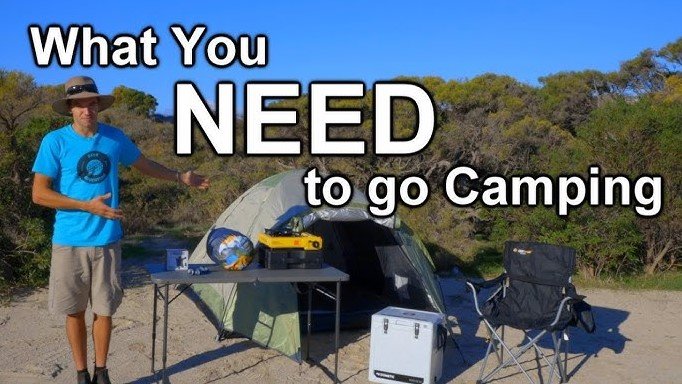
Preparing for your next outdoor getaway requires the right gear to ensure comfort and safety. From shelter essentials to cooking must-haves, this guide covers what you need when you go camping to make your 2026 trip stress-free and memorable.
There is something magical about waking up to the sounds of nature. As we move further into 2026, more people than ever are looking to disconnect from their screens and reconnect with the great outdoors. If you are wondering what you need when you go camping, you are certainly not alone. Whether you are a total beginner or a seasoned pro, having the right setup can turn a potential disaster into the trip of a lifetime.
Camping has evolved significantly over the last few years. Today, gear is lighter, more sustainable, and packed with smart technology that makes life in the woods feel a little more like home. However, the core principles remain the same.
You need a way to stay warm, a way to eat, and a way to navigate. In this guide, we will break down exactly what you need when you go camping to ensure you are ready for any adventure the trail throws at you.
Key Takeaways
- The Essentials: Always prioritize high-quality shelter, sleep systems, and water filtration to handle unpredictable weather and hydration needs.
- Clothing Strategy: Layering is the golden rule for camping; prioritize moisture-wicking materials over cotton to regulate body temperature.
- Safety First: A well-stocked first aid kit and a reliable navigation tool are non-negotiable items for any trip into the wild.
- Cooking Comfort: Modern portable stoves and lightweight cookware make meal prep simple, but always practice Leave No Trace principles.
- Lighting Matters: Pack both a headlamp for hands-free tasks and a lantern for ambient site lighting to navigate the dark with ease.
- Personalization: Remember to pack personal comfort items like camp chairs or power banks to keep your technology running in 2026.
1. The Foundation: Shelter and Sleep Systems
Your campsite is your temporary home, and your home needs a solid foundation. When considering what you need when you go camping, your tent and sleeping setup should be your primary focus. After all, if you do not sleep well, the rest of your trip will be a struggle.
Choosing the Right Tent
Modern tents in 2026 have come a long way. Look for lightweight materials that are easy to pitch. If you are solo, a one-person tent saves space. If you are camping with family, go for something with extra vestibule space for your gear. Always check the rainfly rating to ensure it can handle sudden downpours. A good tip is to practice pitching your tent in your backyard before you leave.
Sleeping Bags and Pads
Do not underestimate the ground. Even in summer, the earth will suck the heat right out of your body. A high-quality sleeping pad provides a thermal barrier. For your sleeping bag, look at the temperature rating. It is better to have a bag rated for lower temperatures than you expect, as you can always unzip it if you get too warm.
2. Nutrition and Hydration: Cooking in the Wild
Eating outdoors is one of the joys of the lifestyle. Knowing what you need when you go camping for kitchen gear will save you from eating nothing but energy bars. Keeping your nutrition on track is vital for maintaining your energy levels during hikes or active days.
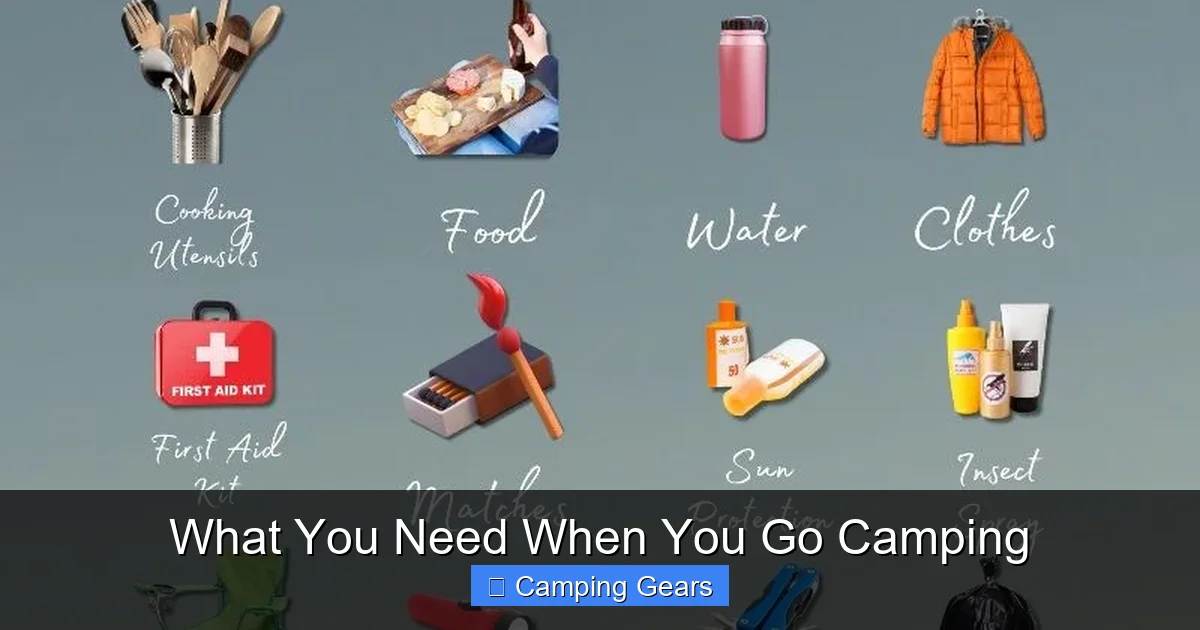
Visual guide about What You Need When You Go Camping
Image source: i.pinimg.com
Portable Cooking Gear
For most campers, a simple canister stove is the gold standard. They are compact, reliable, and boil water in seconds. You will need a small pot, a spork, and a fuel canister. If you are car camping, you can get a bit more creative with a two-burner propane stove, which allows for actual meal preparation like eggs or stir-fry.
Water Filtration
Never rely solely on the water you carry. Always have a backup plan. In 2026, compact water filters and UV purification pens are essential. If you are near a stream or lake, these tools allow you to replenish your supplies safely. Dehydration is the number one cause of headaches and fatigue while camping, so prioritize your water source.
3. Safety, Navigation, and First Aid
Safety is the most important aspect of any outdoor trip. When planning what you need when you go camping, you must include a reliable kit that covers emergencies. Being prepared for the unexpected is what separates a safe trip from a dangerous one.
The Ten Essentials
The “Ten Essentials” is a classic rule for a reason. This list includes navigation (like a map and compass), illumination (headlamp), and sun protection. Even with your phone’s GPS, paper maps do not run out of batteries. Make sure you have a reliable headlamp with extra batteries, as trying to find your way to the bathroom at night without light is a recipe for a twisted ankle.
First Aid and Repair
Your first aid kit should include basics: bandages, antiseptic wipes, pain relievers, and moleskin for blisters. Blisters can ruin a hike faster than almost anything else. Additionally, bring a small repair kit. Duct tape can fix a hole in your tent or a tear in your rain jacket, and a multi-tool is indispensable for everything from cutting rope to opening food tins.
4. Clothing: Dressing for Success
What you need when you go camping includes a strategy for clothing. You might think you need a massive suitcase of options, but in reality, it is all about layers. The goal is to manage your body temperature as the sun rises and sets.
The Layering Principle
Avoid cotton at all costs. When cotton gets wet, it stays wet and makes you cold. Choose synthetic or merino wool fabrics instead. Start with a moisture-wicking base layer, add an insulating mid-layer (like a fleece or down jacket), and finish with a waterproof outer shell. This three-layer system keeps you comfortable regardless of the shifting weather patterns.
Footwear and Socks
Your feet are your most important vehicle. Invest in broken-in hiking boots or sturdy trail shoes. Wear moisture-wicking socks, and always bring an extra pair. If your socks get damp, change them immediately to avoid the discomfort of blisters and trench foot. For evenings around the camp, bring a pair of lightweight sandals to let your feet breathe.
5. Lighting and Electronics
While the goal is to unplug, some gear makes the experience much smoother. In 2026, technology is more integrated into camping than ever before. Knowing what you need when you go camping regarding electronics will help you stay safe and comfortable.
Illumination
A headlamp is essential because it leaves your hands free to cook, set up a tent, or read. A lantern is also great for inside the tent or at the picnic table. If you are camping in an area with wildlife, a bright light can also give you peace of mind during the night.
Power Management
If you are bringing a phone for photos or emergency calls, bring a portable power bank. Cold weather drains batteries quickly, so keep your phone and power bank inside your sleeping bag at night to preserve the charge. Solar chargers are also a great option if you are planning an extended trip in a sunny location.
6. Respecting Nature: The Leave No Trace Ethos
Finally, what you need when you go camping is a commitment to the environment. The outdoors is a shared space. By following the Leave No Trace principles, you ensure that the trails and campsites remain beautiful for those who follow you. Pack out everything you pack in, including food scraps and micro-trash.
Waste Management
Bring dedicated bags for your trash and recycling. Keep your campsite clean of food waste to avoid attracting local wildlife, which can be dangerous for you and bad for the animals. Remember, the goal is to leave the area exactly as you found it, or perhaps even a little cleaner than you found it.
Preparing for your adventure does not have to be complicated. By focusing on your shelter, food, safety, and clothing, you will be more than ready for whatever the weekend brings.
Take the time to double-check your gear list, organize your supplies, and keep a positive mindset. The outdoors are waiting for you, and with the right preparation, your 2026 camping trip will be an experience you treasure for years to come.
Frequently Asked Questions
Do I really need expensive gear to go camping?
No, you do not need top-of-the-line gear to enjoy yourself. Start with basic, reliable items and rent or borrow specialized equipment until you know what works for your specific style of camping.
How do I stay warm in my tent at night?
Use a high-quality insulated sleeping pad to block cold from the ground and choose a sleeping bag rated for the expected temperatures. Wearing dry, clean wool socks and a thermal base layer also helps retain body heat throughout the night.
What is the most important item to pack?
The most important item is a reliable light source, such as a headlamp, and a way to purify your water. These two things ensure you can navigate safely and stay hydrated, which are the absolute pillars of outdoor survival.
Should I bring a phone while camping?
Yes, bring your phone for emergency communication and photos, but keep it in airplane mode to save battery life. Ensure you have a portable power bank, as you will likely not have access to a wall outlet.
How can I protect my food from animals?
Use a bear-proof canister or hang your food in a bag well away from your sleeping area. Never keep food or scented items inside your tent, as these can attract curious wildlife throughout the night.
What do I do if it rains while I am camping?
Ensure your tent has a waterproof rainfly and try to set up your site on slightly elevated ground to avoid puddles. Keep your gear inside dry bags or plastic liners to ensure your sleeping clothes stay dry even if the tent interior gets damp.