

A summer camp counselor is more than just a supervisor; they are a mentor, coach, and friend who shapes the childhood memories of their campers. By fostering personal growth and outdoor skills, these leaders play a pivotal role in creating safe, fun, and transformative experiences in the great outdoors.
Have you ever spent your childhood summers at a lake, singing songs around a crackling fire and learning how to build the perfect shelter? If you have, you likely remember the person who made it all possible: your summer camp counselor.
But what is a summer camp counselor really, and why do thousands of young adults choose this path every single year? As we move through 2026, the role of a counselor has evolved to become one of the most dynamic and rewarding seasonal jobs you can possibly hold.
At its core, a summer camp counselor is an individual dedicated to the well-being and development of campers. They act as the bridge between structured programming and the spontaneous joy of childhood discovery.
It is not just about watching over children; it is about inspiring them, guiding them through new challenges, and being the steady hand that turns a nervous first-timer into a confident camper. It is a job that demands high energy, patience, and a big heart.
Key Takeaways
- The Dual Role: Being a summer camp counselor balances the responsibilities of a guardian, teacher, and activity leader to ensure a well-rounded experience.
- Skill Development: Counselors gain invaluable soft skills like conflict resolution, leadership, and emotional intelligence that boost their resumes.
- Holistic Impact: You aren’t just managing kids; you are fostering confidence, independence, and lasting friendships in a community setting.
- Preparation is Vital: Success relies on physical stamina, mental readiness, and an understanding of the camp’s specific culture and safety protocols.
- The Modern Context: In 2026, tech-free engagement and mental wellness support have become core components of the counselor’s daily routine.
The Core Responsibilities of a Summer Camp Counselor
When asking what is a summer camp counselor, the first thing to look at is the daily routine. A counselor is essentially a parent-away-from-home. You are responsible for the physical safety, emotional health, and social integration of a cabin or group of campers. This involves everything from ensuring they apply sunscreen to helping them navigate a squabble over a game of tetherball.
Safety and Supervision
Safety is always the number one priority. Counselors are trained to manage risks in a natural environment. Whether you are leading a hike, a swim session, or an archery clinic, your eyes must always be on the campers. In 2026, camp safety also includes emotional safety creating an environment where bullying is not tolerated and everyone feels included.
Mentorship and Guidance
Campers look up to their counselors in a way they rarely look up to teachers or parents. Because the setting is informal and fun, you have a unique opportunity to act as a role model. By showing enthusiasm for activities, demonstrating resilience when it rains, and showing kindness, you teach campers how to be good people without even trying. This subtle influence is what makes the job truly special.
Essential Skills You Will Develop
Many people join the camp staff for the fun, but they leave with a professional toolkit that lasts a lifetime. The experience of being a summer camp counselor is often compared to a “leadership boot camp.” You learn to communicate effectively under pressure, resolve conflicts between individuals, and motivate groups toward a common goal.
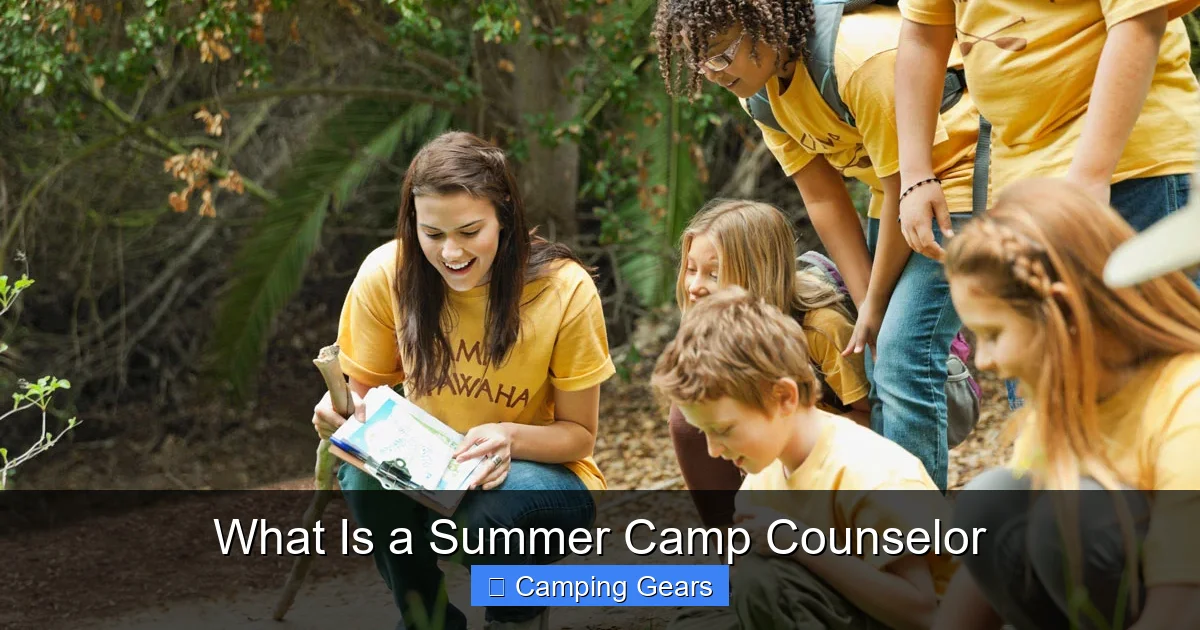
Visual guide about What Is a Summer Camp Counselor
Image source: stlparent.com
Conflict Resolution in Real Time
Kids will have disagreements. It happens in the best of groups. As a counselor, you become a master mediator. You learn how to listen to both sides, help children express their feelings, and find compromises that make everyone feel heard. This skill is highly sought after by employers in every industry, from corporate management to human resources.
Dynamic Group Management
How do you get fifteen kids to clean their cabin in under ten minutes? You learn the art of the challenge. Through gamification and positive reinforcement, counselors learn how to manage energy levels and keep a group focused. If you can handle a group of excited twelve-year-olds at the end of a long day, you can handle almost any team meeting in the future.
The Daily Life of a Counselor in 2026
Life as a counselor is fast-paced. Your day usually begins before the sun reaches its peak and ends well after the stars have come out. A typical day is a mix of high-intensity activity and quiet reflection. Because this is 2026, many camps have integrated “digital detox” protocols, making the counselor the primary provider of entertainment and social interaction.
Structuring the Experience
Counselors often spend their mornings leading specialized activities. You might be the expert on the climbing wall, the coach on the soccer field, or the storyteller during arts and crafts. Your ability to adapt to different roles throughout the day is what defines you as a versatile leader. You are not just one thing; you are everything your campers need in that moment.
Creating the “Magic” Moments
The “magic” of camp is often found in the spontaneous moments. It is the impromptu dance party in the dining hall or the deep conversation held during a quiet hike. As a counselor, your job is to facilitate these moments. You create the culture of your cabin. If you bring a positive attitude, the campers will mirror that energy.
The Challenges You Might Face
While the job is rewarding, it is undeniably hard work. It is important to address the reality of the position. You will be tired, you will be hot, and you will deal with homesickness. Knowing these challenges ahead of time helps you prepare for the summer season.
Managing Homesickness
Homesickness is a natural part of the camping experience for many children. A skilled counselor knows that the best cure is engagement. Rather than focusing on what the child is missing at home, you help them focus on the excitement of the next game, the connection with their cabin mates, and the pride of learning a new skill. You are the source of stability they need.
Physical and Mental Stamina
You are “on” from the moment you wake up until the moment your campers are asleep. It requires a significant amount of stamina. Taking care of yourself is just as important as taking care of your campers. Successful counselors recognize their limits, ask for breaks when needed, and maintain their own well-being so they can continue to be a positive influence for the kids.
How to Become a Successful Counselor?
If you have decided that this is the path for you, there are several steps you can take to ensure your success. First, choose a camp that matches your values. Some camps are skill-intensive (like STEM or sports camps), while others focus on character building or nature immersion. Finding a culture that fits you is half the battle.
Preparation and Certification
Most camps require some level of certification, such as CPR or First Aid. Many will provide this training as part of your orientation. Beyond the certifications, look for opportunities to build your “bag of tricks.” Have a list of games, songs, and riddles ready to go. When a rainstorm moves a hike indoors, you will be glad you had a game in your back pocket.
Developing Emotional Intelligence
The best counselors are those who are highly empathetic. They can read a room—or a cabin—and adjust their approach accordingly. If a camper is acting out, a great counselor asks “what is wrong?” rather than “why are you doing that?” This small shift in perspective builds trust and helps solve behavioral issues at the root.
The Lasting Impact of Your Service
When the summer ends and you pack your bags, the impact you have made remains. You will likely receive letters from campers or updates from parents about how much their child grew over the season. That is the true answer to “what is a summer camp counselor?” You are an architect of growth.
You leave a lasting impression on a generation. In a world that is increasingly dominated by screens and superficial connections, you provided a space for authentic human interaction. You gave children the chance to fall down, get back up, and realize they were stronger than they thought. That is a legacy you carry with you long after the tents are packed away.
Conclusion: Pursuing a role as a summer camp counselor is one of the most transformative choices you can make for your own personal and professional development. It challenges you to be your best self every single day. If you are looking for a summer defined by purpose, adventure, and meaningful impact, look no further than the camp counselor experience.
Frequently Asked Questions
What are the age requirements to be a counselor?
Most camps require counselors to be at least 18 years old, as this role involves significant responsibility and legal oversight. Some camps offer “Counselor-in-Training” programs for 16 and 17-year-olds to gain experience before becoming full staff.
Do I need special skills to be a counselor?
While you don’t need to be a professional athlete or expert artist, having a baseline skill in things like swimming, hiking, or arts and crafts is helpful. Camps prioritize people who are enthusiastic, patient, and willing to learn new things during their pre-season orientation.
Is being a summer camp counselor considered a real job?
Absolutely, it is a professional position that teaches leadership, risk management, and conflict resolution. Many employers across various industries highly value the “soft skills” and resilience gained during a summer of camp counseling.
How long is a typical camp counselor contract?
Contracts usually range from eight to ten weeks, covering the full summer season including pre-camp training. Some counselors may choose to work shorter sessions, but most camps prefer a full-summer commitment to ensure consistency for the campers.
What is the hardest part of the job?
The most difficult part is often the lack of personal time and the physical fatigue that comes with being on duty all day. However, most counselors find that the emotional rewards and strong community bond make the hard work worth it.
Will I have any free time during the summer?
Yes, all reputable camps provide scheduled time off, usually in the form of daily breaks or a full day off per week. This time is vital for recharging your batteries and maintaining the mental energy required to provide quality care for the campers.