
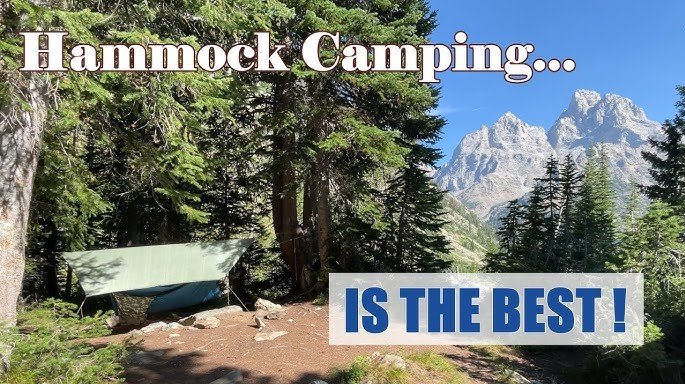
Hammock camping is an excellent alternative to traditional tenting, offering unmatched comfort and portability for outdoor enthusiasts. While it requires a specific learning curve for insulation and setup, many campers find that switching to a hammock provides a deeper, more restful sleep while minimizing their environmental footprint on the trail.
If you have spent any time scrolling through outdoor forums or checking out hiking social media in 2026, you have probably noticed a massive trend. More adventurers are asking the same question: is it good to camp in a hammock? The answer is a resounding yes, but like most things in the outdoors, it comes with a few specific tricks to make it work.
For decades, the tent was the undisputed king of the woods. It kept us dry, blocked the wind, and provided a sense of security. However, as outdoor gear technology has improved, the hammock has evolved from a backyard lounger into a serious, high-performance piece of camping gear. If you are tired of waking up with a sore back from a deflated sleeping pad or you want to shave a few pounds off your base weight, it might be time to hang your bed from the trees.
Key Takeaways
- Enhanced Comfort: Hammocks eliminate the need for flat, level ground, allowing you to sleep comfortably even on rugged or sloped terrain.
- Weight Savings: Modern hammock systems are often significantly lighter and more compact than traditional tent and pad setups.
- Leave No Trace: Hammocks are eco-friendly because they don’t crush the vegetation or flatten the soil beneath you.
- Insulation is Critical: Because air flows beneath you, using an underquilt is essential for staying warm in cooler weather.
- Setup Versatility: You can set up your hammock almost anywhere there are two sturdy trees, giving you more site options.
- Personal Preference: While great for most, hammock camping requires practice to master the “diagonal lay” for back support.
The Evolution of Hammock Comfort
The biggest reason people ask “is it good to camp in a hammock” is the promise of a better night’s sleep. If you have ever tried to sleep on a thin foam pad on hard, rocky ground, you know the struggle. A hammock changes the physics of sleeping outdoors by suspending you above the earth.
Finding the Perfect Hang
The secret to comfortable hammock camping is not just the hammock itself; it is the “diagonal lay.” Many beginners make the mistake of sleeping straight, like a banana. This puts pressure on your shoulders and bends your knees in an uncomfortable way. Instead, you should aim to lie at an angle across the hammock. This allows your body to flatten out, which mimics the feeling of a bed much better than a straight line.
By 2026, we have seen the rise of asymmetric hammocks that are pre-cut to encourage this diagonal sleeping position. When you get the angle right, your spine stays neutral, and you can sleep on your side or back without feeling cramped. It is a game-changer for side sleepers who previously felt trapped by the limitations of a traditional tent.
Weight and Portability
If you are a backpacker, every ounce matters. Traditional tents require poles, stakes, a footprint, and a bulky rainfly. While hammock camping does require a tarp and suspension system, the overall package is often much smaller.
You can easily fit a full hammock kit into the side pocket of your backpack, leaving the main compartment free for food and clothing. This makes it an ideal setup for long-distance thru-hiking or quick weekend getaways.
Mastering Temperature Control
One of the most common complaints about hammock camping is that it can feel chilly. When you sleep on the ground, your sleeping pad provides a barrier between you and the cold earth. In a hammock, you are suspended in the air, and that air is constantly circulating under your body. Convection, the movement of heat away from your body by the wind, is the enemy of a warm hammock camper.
The Importance of the Underquilt
To really enjoy hammock camping in 2026, you need to understand the underquilt. Unlike a sleeping bag, which gets compressed under your weight—making the insulation inside ineffective an underquilt hangs underneath the hammock.
Because it is not compressed, the down or synthetic insulation stays “fluffed” and traps your body heat perfectly. This is the gold standard for staying warm in a hammock, even when temperatures drop near freezing.
Wind and Moisture Protection
A good hammock setup is incomplete without a high-quality tarp. In a tent, the fly is attached. In a hammock, you have more freedom. You can hang your tarp in a wide “porch mode” to enjoy the view while staying dry, or pitch it low and tight if the wind starts picking up. Modern ultralight materials like Dyneema have made these tarps incredibly durable and waterproof, ensuring that even in a heavy downpour, your sleep system remains bone-dry.
The Ecological Advantage
As outdoor enthusiasts, we all want to practice “Leave No Trace” principles. One of the most compelling reasons to choose a hammock is its minimal impact on the environment. When you pitch a tent, you often have to clear away leaves, pine needles, or even small rocks to create a level spot. This can damage fragile alpine vegetation or disturb the soil structure.
Hammocks are arguably the most eco-friendly way to sleep outdoors. You do not touch the ground at all. You simply use tree straps – which are designed to be wide to protect the tree’s bark and let the natural landscape be. This makes hammock camping a great choice for sensitive ecosystems where you want to leave the forest exactly as you found it.
Setting Up Your First System
Is it good to camp in a hammock for beginners? Absolutely, as long as you practice your setup at home first. Do not wait until you are deep in the backcountry to figure out your knots or your suspension buckles. Most modern systems use cinch buckles or “whoopie slings” that are simple to adjust, even in the dark.
Selecting the Right Trees
Safety is always the priority. When selecting your hanging spot, look for trees that are healthy and strong enough to support your weight. Avoid trees that look dead or have shallow root systems. A good rule of thumb is to look for trees at least six inches in diameter. Also, make sure you are not hanging over any potential hazards, like dead branches—what we call “widowmakers”—that could fall during the night.
The Golden Ratio
A common mistake is hanging the hammock too tight. A hammock should hang with a gentle “smile” or catenary curve. If it is too tight, you will not be able to get that comfortable diagonal lay we talked about, and it puts unnecessary strain on your suspension straps. Aim for a 30-degree angle on your straps relative to the tree, and you will find that sweet spot between tension and comfort.
Is It Good to Camp in a Hammock for Everyone?
While we love the hammock life, it is important to be realistic. There are situations where a tent might still be the better choice. If you are heading to a place with zero trees, such as the high desert or above the treeline in the mountains, a hammock is going to be useless. Some hammock campers carry “stands” or use trekking poles to prop up their hammocks, but that is heavy and complex.
Additionally, if you are camping with a partner, sleeping in separate hammocks can feel a bit lonely compared to the intimacy of a two-person tent. If social connection is your primary goal, a tent might suit your camping style better. However, for solo travelers and those who value a personalized, comfortable sleep, the hammock is hard to beat.
Conclusion: Finding Your Camping Groove
So, is it good to camp in a hammock? After years of testing gear and sleeping under the stars, the consensus is clear: it is one of the most rewarding ways to experience the wilderness. It allows you to feel more connected to the forest, sleep better than you ever could on the ground, and reduce your overall impact on nature.
By embracing the right gear like a reliable underquilt and a proper tarp you can transform your camping experience. Whether you are a seasoned backpacker looking to lighten your load or a weekend warrior wanting to upgrade your sleep, the hammock offers a level of comfort that traditional tents struggle to match.
Get outside, find a pair of sturdy trees, and discover the joy of swinging to sleep. Once you experience that first night of waking up refreshed in the backcountry, you might never go back to the ground again.
Frequently Asked Questions
Is hammock camping comfortable for back pain?
Many people find that hammock camping is significantly better for back pain than sleeping on the ground. Because the hammock supports your body naturally without pressure points, you can often find a more ergonomic position that mimics a premium bed.
Do I need a special sleeping bag for a hammock?
You don’t need a special bag, but you do need an underquilt. Because your sleeping bag gets compressed under your weight in a hammock, it loses its warmth, so the underquilt is essential for keeping your back side cozy in cooler temperatures.
Can I stay dry during a rainstorm in a hammock?
Yes, provided you use a properly pitched tarp. If you hang your tarp slightly wider than the hammock and ensure it is taut, it will keep you and your gear dry even during heavy rain.
Are hammocks allowed in all campsites?
Most campsites allow hammocks, but it is important to use tree-friendly straps that are at least one inch wide to avoid damaging the bark. Always check the specific regulations of the park or wilderness area before you go.
Is it difficult to set up a hammock system?
It has a slight learning curve, but it is actually much faster than setting up most tents once you practice a few times. With modern suspension systems, you can typically go from pack to hanging in under five minutes.
What if there are no trees?
If you are heading to an area with no trees, a hammock is not the right choice. In those environments, you are better off sticking with a lightweight tent or a bivy sack to ensure you have a reliable place to sleep.