
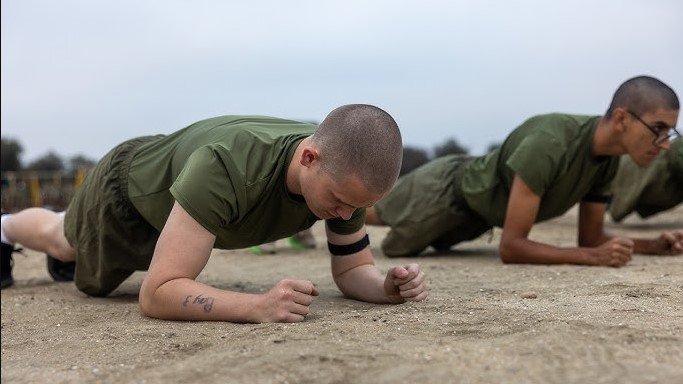
Boot camp is a transformative experience designed to build physical endurance, mental toughness, and teamwork. Whether you are preparing for military service or a civilian fitness challenge, knowing what do you do at boot camp helps you pack the right gear and set realistic expectations for your journey.
Have you ever watched those intense training montages in movies and wondered, “What do you do at boot camp?” It is a question that crosses many minds, whether you are planning to join the armed forces or just curious about these high-intensity fitness retreats. In 2026, boot camps have evolved significantly, blending traditional discipline with modern sports science to push individuals further than they ever thought possible.
Walking into a boot camp environment is like stepping into a different world. The noise, the structure, and the physical demands are a shock to the system for most newcomers. However, there is a method to the madness.
By stripping away the distractions of daily life, boot camps force you to focus entirely on your physical health and your ability to work with others. If you are preparing to head to one, getting a clear picture of what lies ahead is your first step toward success.
Key Takeaways
- Physical Foundation: Expect intense cardiovascular exercise and bodyweight strength training sessions daily.
- Mental Resilience: You will face high-pressure scenarios designed to test your focus and discipline under stress.
- Teamwork Matters: Success is rarely individual; you will learn to rely on your peers to complete difficult group objectives.
- Proper Gear: Your experience depends on your equipment; durable, high-quality footwear and moisture-wicking apparel are non-negotiable.
- Routine is King: Expect a rigid schedule that governs every minute of your day from early morning to lights out.
- Growth Mindset: The challenges are meant to break down old habits and build new, stronger personal characteristics.
The Daily Grind: A Look at the Schedule
If you are still asking yourself, “What do you do at boot camp?” the simplest answer is: you follow a schedule. Unlike your civilian life where you might choose when to wake up or eat, boot camp is governed by the clock. Precision is the primary goal here. From the moment the sun rises, every second is accounted for.
The Morning Wake-Up
Your day usually begins before dawn. The morning routine is designed to get your heart rate up immediately. You won’t be lounging in bed; instead, you’ll be expected to be dressed, bunk made, and in position for morning PT (Physical Training) within minutes. This early start helps regulate your sleep cycle and gets your metabolism firing early.
Structured Physical Training
Physical training is the heart of what do you do at boot camp. This isn’t just about lifting weights. You will engage in circuit training, long-distance running, and endurance drills. The focus is on functional fitness. By 2026, many programs emphasize mobility and injury prevention alongside raw strength. You will use sandbags, medicine balls, and your own body weight to simulate real-world physical exertion.
Building Mental Toughness Through Stress
Physical fitness is only half the battle. A massive component of what do you do at boot camp involves stress inoculation. Instructors put you in uncomfortable situations to see how you respond. This might involve complex puzzles that must be solved while exhausted or timed missions that require absolute focus under pressure.
The Role of Discipline
Discipline is the glue that holds everything together. You will learn to take orders, follow instructions, and maintain your equipment. Why? Because when things get tough, your ability to stick to a plan keeps you and your team safe. Learning to follow directions perfectly without hesitation is a skill that translates into every area of your future life.
Handling the Pressure
You will experience frustration. You will feel like quitting. Instructors know this. They create these environments to help you develop a “second gear.” When your body tells you to stop, your mind learns to override that signal. This is the core psychological benefit of the experience. It transforms your perception of your own limits.
Essential Gear: What You Need to Bring
When thinking about what do you do at boot camp, you must consider the gear that enables you to perform. In 2026, gear technology is better than ever. Having the right tools can be the difference between focusing on your tasks and being distracted by blisters or chafing.
Footwear is Everything
Never underestimate the value of good boots or training shoes. You will be on your feet for hours every day. Look for footwear that offers excellent ankle support and moisture management. Make sure you break them in before you arrive. If you show up with brand-new, stiff boots, your first few days will be exceptionally painful.
The Right Apparel
Forget cotton. In 2026, high-performance synthetic materials are the standard for what do you do at boot camp. You need moisture-wicking base layers that keep your skin dry and prevent chafing. Pack enough clean socks to change frequently; foot health is a major priority in any training environment. Think of your clothing as part of your survival kit.
The Power of Teamwork and Cooperation
One of the most important aspects of what do you do at boot camp is learning to be a team player. You are never really alone. Every exercise you do, every goal you reach, and every failure you face is shared by your squad. This level of cooperation is intentional.
Fostering Unity
Instructors often use team-based challenges to force communication. If one person fails, the team fails. This teaches you to look out for your neighbor. You learn that your pace is determined by the slowest person in the group. Encouraging them to push harder helps everyone get better. It is a powerful lesson in leadership and empathy.
Leadership Development
Eventually, you will be asked to lead. You will have to organize your team, delegate tasks, and ensure everyone is accounted for. This helps you understand the responsibility of guiding others. Whether you end up in a formal leadership role or not, the experience of managing a group under stress is invaluable.
Nutrition and Recovery: The Fuel for Success
You cannot perform at a high level without proper fuel. The food provided is designed to maximize energy and recovery. You will eat calorie-dense meals that provide enough protein for muscle repair and complex carbohydrates for sustained energy.
Hydration Habits
Hydration is drilled into you. Dehydration is the enemy of performance, and you will be expected to drink water consistently throughout the day. By the end of boot camp, you will have developed a habit of drinking water before you even feel thirsty. This is one of the most beneficial habits you can take home with you.
Active Recovery
When you aren’t training, you are recovering. This means stretching, getting adequate sleep, and managing minor aches. You will learn how to care for your body so you can go again the next day. This includes proper foam rolling techniques and mindfulness exercises to lower cortisol levels after high-stress blocks.
Conclusion: The Lasting Impact
So, what do you do at boot camp? You push boundaries, you build new habits, and you rediscover what you are truly capable of achieving. It is an intense, challenging, and ultimately rewarding journey that prepares you for the realities of life. The grit and resilience you build during those weeks stay with you long after the program ends.
As you prepare for your upcoming experience, remember that it is all about your attitude. If you go in with an open mind and a desire to learn, you will find that the difficulty is exactly what makes the experience valuable. By investing in your gear, respecting the process, and committing to your teammates, you will leave boot camp a stronger, more capable version of yourself.
Frequently Asked Questions
Is boot camp only for people joining the military?
No, there are many civilian boot camps designed for fitness, weight loss, or leadership development. These programs follow similar structures but focus on personal health goals rather than military readiness.
How physically fit do I need to be before starting?
It is helpful to have a baseline level of fitness, but you don’t need to be an athlete to start. Most programs are designed to scale, allowing you to grow your endurance and strength over the course of the training.
What is the hardest part of the experience?
For most people, the mental struggle of maintaining discipline while exhausted is the hardest part. The physical challenges are tough, but learning to keep a positive mindset under pressure is the true test.
Can I bring my phone or personal electronics?
Most intensive boot camps require you to disconnect from personal technology to ensure full focus on the training environment. Check the specific rules of your program, as most will prohibit phone use during training blocks.
How do I prepare my body to prevent injuries?
Focus on flexibility and core strength in the weeks leading up to your start date. Consistent stretching and wearing broken-in, supportive footwear will go a long way in preventing common injuries like blisters or strains.
Will I lose weight at boot camp?
Most participants do see weight loss due to the high volume of physical activity and controlled nutrition. However, the primary goal is typically building functional fitness and mental endurance rather than just aesthetic change.