
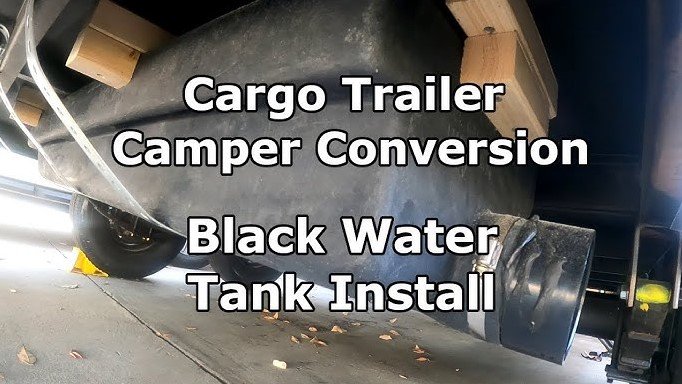
Black water in a camper refers to the wastewater collected from your RV toilet. Proper management of this waste is essential for hygiene, smell control, and the longevity of your vehicle’s plumbing system during your travels.
So, you have finally decided to hit the road in your new rig. Welcome to the wonderful world of RV life! As you settle into your first few trips, you will quickly hear terms like “hookups,” “boondocking,” and “dumping.” One term that every camper owner needs to understand clearly is black water.
If you have ever wondered what is black water in a camper, you are definitely not alone. It is one of those topics that no one likes to talk about at a campfire, but it is critical for a smooth camping experience.
In the simplest terms, understanding your plumbing is the difference between a relaxing vacation and a major headache. Since we are moving into the 2026 camping season, technology has made things a bit easier, but the basics remain the same. Let’s dive into everything you need to know about your black water system, how to manage it like a pro, and why it matters for your rig’s health.
Key Takeaways
- Definition: Black water is specifically sewage waste from your RV toilet, distinct from grey water which comes from sinks and showers.
- Sanitation is Priority: Always wear gloves and use designated dump stations to prevent health hazards.
- Chemicals Matter: Using RV-specific treatments breaks down waste and minimizes unpleasant odors in your rig.
- The Golden Rule: Never dump black water in unauthorized areas; it is illegal and harmful to the environment.
- Tank Care: Keep your black water tank at least partially full before dumping to ensure gravity helps clear out solids.
- Maintenance: Regular rinsing and sensor cleaning are necessary to keep your tank monitor accurate.
What Exactly is Black Water in a Camper?
When we talk about RV plumbing, we usually categorize water into two main buckets: grey water and black water. Knowing the difference is your first step toward mastery of your RV maintenance. Black water is specifically the sewage that comes directly from your toilet. It contains human waste and toilet paper. Because it is essentially sewage, it requires much stricter handling than the water that goes down your kitchen sink or shower drain.
Why the Distinction Matters
You might ask why we keep the tanks separate. The reason is simple: safety and convenience. Grey water (from sinks and showers) is relatively easy to treat and can sometimes be managed differently depending on local campground rules.
Black water, however, is a biohazard. It contains bacteria that can be harmful if not contained properly. By keeping them separate in their own designated tanks, you minimize the risk of contamination and make the disposal process much more manageable.
The Role of Your RV Toilet
Your RV toilet is not quite like the one you have at home. It usually uses a foot pedal to open a seal at the bottom of the bowl. When you flush, everything goes straight down into the black water tank located beneath the floor.
Because there is no “trap” like a home toilet, you need to be very careful about the type of toilet paper you use. In 2026, many campers are switching to high-efficiency, biodegradable RV-specific toilet paper that dissolves quickly, preventing the dreaded “poo pyramid” in your tank.
Mastering the Art of Dumping
Dumping your black water tank is a rite of passage for every RVer. It sounds intimidating, but once you do it a few times, it becomes second nature. First, ensure you have the right gear. You will need a high-quality sewer hose, a clear elbow connector (this helps you see when the water is running clear), and a pair of heavy-duty rubber gloves. Always keep your gear stored in an exterior compartment away from your fresh water hoses.
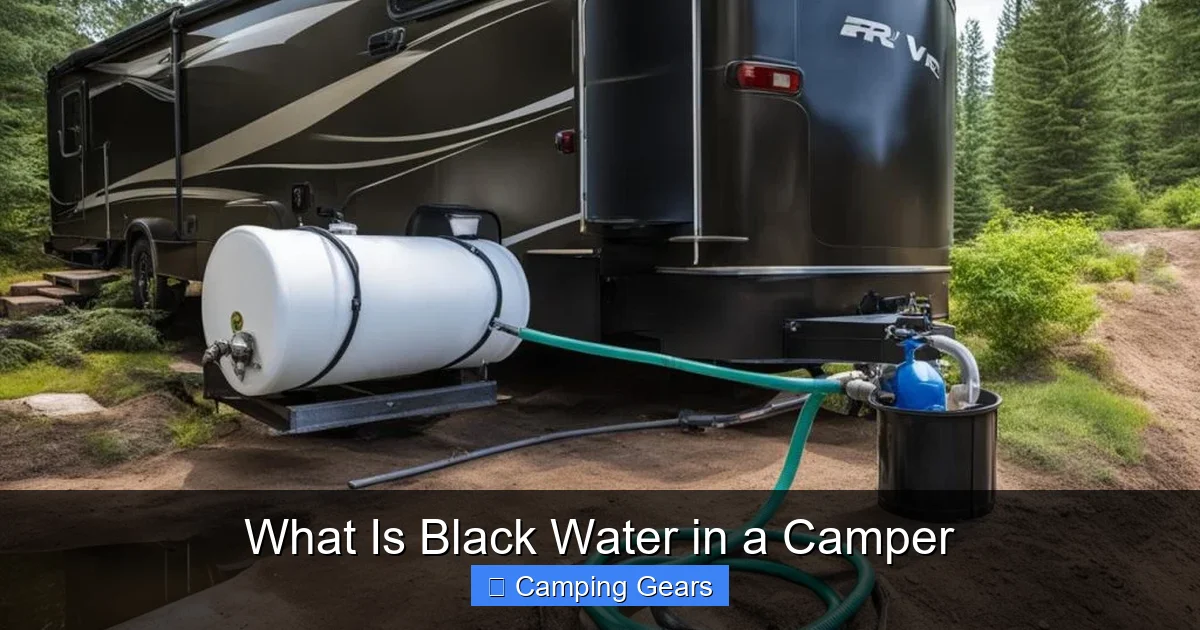
Visual guide about What Is Black Water in a Camper
Image source: gorvlifestyle.com
Step-by-Step Dumping Process
Start by connecting your sewer hose to the RV’s black water outlet and the other end to the dump station intake. Most campers have two handles: one for the black tank and one for the grey tank. Always pull the black water handle first.
This allows the heavy waste to flush out with the most pressure. Once that tank is empty, you can pull the grey tank handle. The grey water acts like a rinse, helping to clean out any remaining residue from the hose. This is a smart trick to keep your equipment hygienic.
Practical Tips for a Cleaner Dump
One of the best tips for 2026 is to use your black tank flush feature if your RV is equipped with one. This is a built-in sprayer inside the tank that blasts away stuck-on waste. If you don’t have one, you can buy a “wand” that goes down the toilet.
Just remember: never use your fresh water drinking hose to wash out your sewer hose. Always have a dedicated “stinky slinky” hose for this job. Keep them color-coded to avoid any accidental mix-ups!
Chemicals and Odor Control
Managing the smell of black water in a camper is the number one concern for new owners. Nobody wants their cozy living space to smell like a latrine. The good news is that modern RV chemicals are incredibly effective. You can find drop-in pods, liquids, and even powders that you toss into the toilet after every dump. These treatments work by breaking down solids and neutralizing odors before they become a problem.
Choosing the Right Treatment
There are two main types of treatments: biological and chemical. Biological treatments use enzymes and bacteria to break down waste naturally. These are excellent if you are camping in warmer climates because they actually thrive in the heat.
Chemical treatments, on the other hand, are designed to mask odors and are very effective for short trips. By 2026, many brands have moved toward eco-friendly, formaldehyde-free options that are much better for the environment.
Dealing with Stubborn Smells
If you find that your camper still has an odor, check your roof vent. Sometimes, air pressure can cause odors to drift back into the RV when you flush. A simple fix is a wind-directional vent cap. Also, make sure your toilet seal is lubricated. If the rubber seal under the toilet gets dry, it might not hold water, and that water acts as a barrier against tank fumes. A little bit of silicone lubricant can work wonders here.
Maintaining Your Black Water Tank Sensors
Have you ever looked at your monitor panel, only to see that your black tank says it is full when you know you just dumped it? This is a common frustration for RVers. What is black water in a camper if you cannot even tell how much of it you have? The sensors are small metal probes inside the tank. Over time, bits of waste or toilet paper can get stuck on them, giving you a false reading.
How to Clean Your Sensors
To fix this, you can perform a “deep clean” of your tank. A popular method involves adding a bag of ice cubes to the tank before a drive. As you drive to your next destination, the ice sloshes around and acts like a scrub brush to knock debris off the sensors.
Another method is to use a mixture of water, dish soap, and a tank cleaning solution, and let it sit for a few hours before dumping. Staying consistent with this maintenance will keep your sensors reading accurately for years.
The “Poo Pyramid” Problem
The “poo pyramid” happens when you leave the black tank valve open while at a full-hookup site. By keeping the valve open, the liquid drains away, leaving the solid waste to build up into a hard pile directly under the toilet.
Always keep your black tank valve closed until it is time to dump. The liquid helps break down the waste, making it much easier to drain later. This is perhaps the most important rule for long-term black water management.
Safety and Environmental Responsibility
As we head further into 2026, responsible camping is more important than ever. Black water contains waste that can contaminate soil and water sources if handled improperly. Never dump your tanks on the ground or in anything other than a designated sewer connection. Not only is it illegal in almost every state and province, but it is also a major health risk to you and other campers.
Respecting the Dump Station
When using a public dump station, always be quick and courteous. Have your gear ready before you pull up. If there is a line, don’t use the dump station as a place to spend an hour deep-cleaning your entire rig. If you need extra time, move your RV to a parking area first. Leave the station as clean as you found it. Most stations have a hose for rinsing the area; use it to wash away any accidental spills.
Winterization and Storage
If you are planning to store your RV for the winter, you must ensure your black water tank is completely clean and dry. Any remaining moisture can freeze, crack your tank, and lead to expensive repairs. Use non-toxic RV antifreeze in your plumbing system if you live in a cold climate. Taking these precautions at the end of the season ensures that your camper is ready to go the moment spring arrives.
The Future of RV Waste Management
Looking ahead, the industry is seeing some interesting innovations in waste management. We are starting to see more advanced composting toilets that don’t require a traditional black water tank at all. These systems turn waste into compost, which is a game-changer for those who enjoy long-term boondocking. However, for most of us, the traditional black water tank will remain the standard for a while longer.
Whether you are a weekend warrior or a full-time digital nomad, understanding your black water system is an essential skill. It might not be the most glamorous part of RV life, but it is a part of the journey. Once you get past the initial “ick” factor, you will find that it’s just another routine maintenance task, like checking your tire pressure or filling your propane tanks. Stay informed, stay clean, and happy camping!
Managing your black water system is a small price to pay for the freedom that an RV offers. By following these simple practices, you can ensure that your travels remain sanitary and stress-free. Remember, the goal is to spend less time worrying about your tanks and more time enjoying the beautiful destinations that 2026 has to offer. Keep your gear clean, respect the environment, and enjoy every mile of the road.
Frequently Asked Questions
Is black water the same as grey water?
No, they are different. Black water comes specifically from the RV toilet, while grey water comes from your sinks and shower drains.
How often should I dump my black water tank?
You should dump it when the tank is about two-thirds full to ensure there is enough liquid to flush out the solids properly. Never leave the valve open while connected to a sewer hookup, as this can cause a buildup of solid waste.
What happens if I don’t use RV-specific toilet paper?
Regular household toilet paper is designed to stay strong when wet, which can cause clogs in your RV plumbing. RV-specific paper is designed to dissolve quickly, preventing blockages in your tank and lines.
Can I dump black water in the woods?
Absolutely not. Dumping black water on the ground is illegal, harmful to the environment, and poses a significant health risk to people and wildlife.
Why does my black water tank still smell after dumping?
It could be due to a faulty roof vent, a dry toilet seal, or simply debris left on the tank sensors. Try using an RV-specific tank treatment and ensuring the toilet seal has enough water in it to act as a barrier.
Do I need chemicals in my black water tank?
While not strictly required, using chemicals is highly recommended. They help break down waste, minimize unpleasant odors, and keep the tank sensors functioning correctly.