
Choosing the right fabric is the secret to a successful camping trip. By prioritizing moisture-wicking, insulating, and quick-drying materials over cotton, you ensure your body stays at a stable temperature. This guide breaks down the best gear choices to keep you comfortable in the great outdoors.
There is nothing quite like the feeling of waking up in a tent with the crisp morning air greeting you. However, as any seasoned adventurer will tell you, that morning magic can fade quickly if you are shivering in damp clothes or sweating through a heavy shirt.
When you are out in nature, your clothing is your primary shelter. Knowing what clothing material is best for camping is the difference between an epic memory and a miserable night spent trying to get warm.
As we head into the 2026 camping season, gear technology has reached new heights. We have moved past the days where you simply grabbed an old hoodie and headed into the woods. Today, high-performance fabrics are designed to breathe, stretch, and protect us from the elements. Whether you are trekking through a misty mountain pass or lounging by a desert campfire, your fabric choice dictates your comfort level.
Key Takeaways
- Avoid Cotton: Cotton absorbs moisture, stays wet, and drains body heat, making it dangerous in cold or wet conditions.
- Prioritize Merino Wool: This natural fiber offers incredible temperature regulation, odor resistance, and comfort for multi-day trips.
- Synthetics for Durability: Polyester and nylon blends are perfect for high-movement activities and provide excellent moisture management.
- The Layering System: Success in the wild relies on a base layer, mid-layer, and outer shell to adapt to changing weather.
- Versatility is Key: In 2026, many brands offer hybrid materials that blend natural comfort with high-tech performance for camping.
Understanding the Basics of Camping Fabrics
Before we dive into specific fibers, we need to talk about the “Three Golden Rules” of camping apparel. These rules remain true regardless of the trends we see in 2026. Your clothes need to manage moisture, regulate temperature, and dry quickly. If a fabric fails at any of these, it is likely not the best choice for your backcountry wardrobe.
Why We Still Say “Cotton Kills”
You might have heard the phrase “cotton kills” from veteran hikers. It sounds dramatic, but it is rooted in basic physics. Cotton is a hydrophilic fiber, meaning it loves water. When you sweat, or if it rains, the cotton absorbs the moisture and holds onto it right against your skin.
Because cotton does not insulate when wet, it pulls heat away from your body at a rapid rate. In cold temperatures, this can lead to hypothermia. Even in summer, damp cotton is heavy, chafes your skin, and creates a breeding ground for odors.
The Concept of Moisture Management
The ideal camping material is one that moves perspiration away from your skin and toward the outer surface of the fabric, where it can evaporate. This process is called wicking. When moisture wicks away, you stay dry and your body temperature remains stable.
Fabrics like polyester and merino wool are champions at this. They do not just absorb water; they facilitate the movement of vapor so you never feel that clammy, sticky sensation that ruins a perfectly good hike.
The Power of Merino Wool
If you ask an expert what clothing material is best for camping, the answer will almost always be merino wool. It is the gold standard for outdoor enthusiasts in 2026. Unlike the scratchy wool sweaters of the past, modern merino is incredibly soft, lightweight, and versatile.
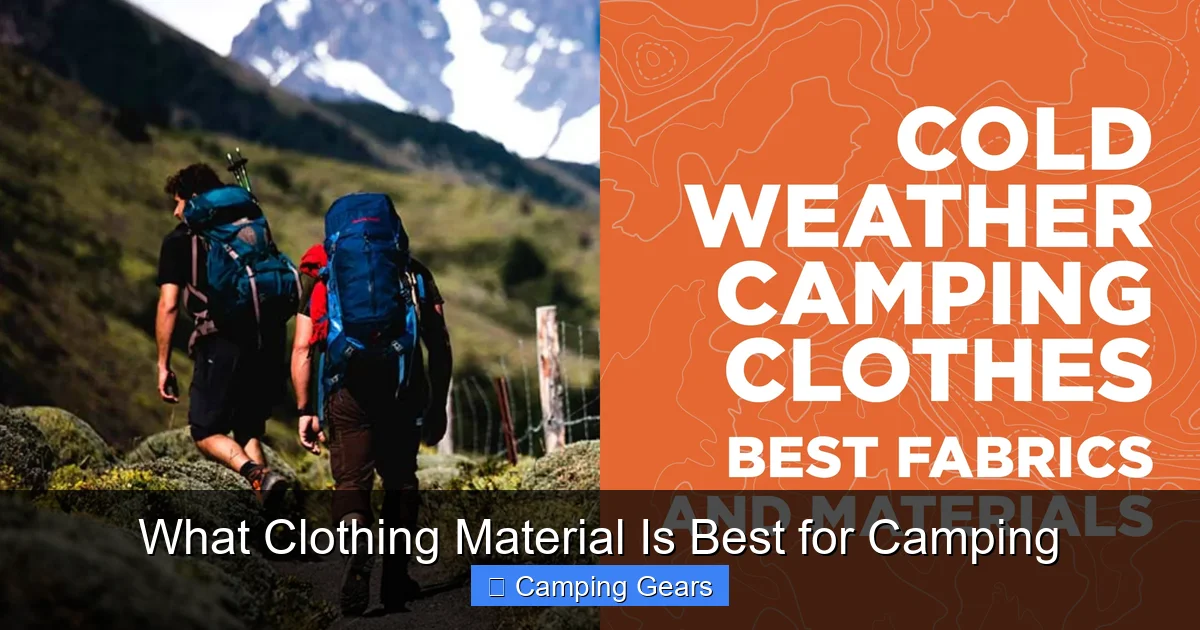
Visual guide about What Clothing Material Is Best for Camping
Image source: andinaoutdoors.com
Temperature Regulation
Merino wool has a unique, crimped fiber structure that traps air. This creates a natural insulation barrier. When it is cold, it keeps you warm by trapping your body heat. When it is hot, the fabric is breathable, allowing heat to escape so you do not overheat. It is truly a year-round fabric that adapts to whatever the sky throws at you.
Odor Resistance and Sustainability
Camping often means limited opportunities to wash your clothes. Merino wool is naturally antimicrobial. It resists the growth of bacteria that cause smells. You can wear a merino base layer for days on end without it starting to stink, which is a massive win for pack weight and hygiene. Additionally, because it is a natural, renewable resource, it aligns well with the “leave no trace” ethos of modern campers.
Synthetic Fabrics: Durability and Performance
While natural fibers are great, synthetic materials have their own place in the 2026 camping gear closet. Polyester, nylon, and spandex blends offer a level of durability that natural fibers sometimes struggle to match. If you are doing rugged activities like rock scrambling or bushwhacking, synthetics are often your best bet.
The Role of Polyester and Nylon
Polyester is the workhorse of the outdoor world. It is highly hydrophobic, meaning it repels water rather than soaking it up. It dries in minutes, which is helpful if you accidentally fall into a creek or get caught in a sudden downpour.
Nylon is even tougher. It is often used for pants and jackets because it resists abrasion. If you are rubbing against rocks or dense brush, nylon will hold up significantly longer than cotton or light wool.
Adding Stretch for Comfort
Modern camping apparel often blends these synthetic fibers with a little bit of spandex or elastane. This gives your clothing the ability to move with you. When you are climbing over logs, setting up your tent, or crouching to cook a meal, you do not want your clothes binding or restricting your movement. A high-quality synthetic blend provides that “second skin” feeling that makes long days on the trail much more enjoyable.
The Layering System Strategy
Knowing what clothing material is best for camping is only half the battle. You also need to know how to wear them. The layering system is a time-tested strategy that ensures you are prepared for shifting conditions. By stacking your clothes, you can add or remove pieces to stay comfortable as the sun sets or the wind picks up.
Base Layers: The Moisture Managers
The base layer is the piece touching your skin. Its job is strictly moisture management. A lightweight merino wool or synthetic top is perfect here. Avoid anything thick or heavy as a base. You want this layer to dry fast and stay close to your body so it can wick sweat effectively.
Mid-Layers: The Heat Trappers
The mid-layer is for warmth. In 2026, we see a lot of fleece, high-loft synthetic sweaters, and “puffy” down or synthetic-fill jackets. Fleece is excellent because it stays warm even when slightly damp and allows for great airflow. A synthetic puffy jacket is often a better choice for humid or wet environments, as natural down loses its insulating power when it gets wet.
Outer Shells: The Weather Shield
Finally, your outer shell needs to be windproof and water-resistant or waterproof. Modern hardshell jackets use membranes that allow internal vapor to escape while blocking external rain.
Look for materials like Gore-Tex or proprietary brand equivalents that offer a balance of breathability and total protection. If you are just doing light camping, a simple water-resistant windbreaker might be enough, but for serious mountain treks, a dedicated rain shell is essential.
Specialized Gear: Socks and Undergarments
One of the biggest mistakes new campers make is ignoring their feet and base layers. You can have the best jacket in the world, but if your feet are wet or your underwear is chafing, you are going to have a bad time. The same logic regarding materials applies here—keep cotton far away from your skin.
The Importance of Wool Socks
Your socks should almost exclusively be merino wool or a high-quality synthetic blend. Wool socks provide cushioning, moisture management, and, most importantly, warmth even if you step in a puddle. They also reduce the risk of blisters, which can end a hiking trip prematurely. Always pack a clean, dry pair specifically for sleeping in your sleeping bag.
Undergarments Matter
Just like your base layer, your underwear should be made of moisture-wicking materials. Cotton underwear will lead to chafing and discomfort after a long day of hiking. Look for athletic-style boxer briefs or panties made from polyester or nylon blends. These will dry quickly and prevent the dreaded “swamp” feeling that comes with sweating in the wilderness.
Final Thoughts on Choosing Your Gear
When you are shopping for your 2026 camping trips, do not feel like you need to break the bank immediately. Focus on building your collection one piece at a time. Start with a solid pair of hiking socks and a moisture-wicking base layer. Once you experience the difference that proper fabric makes, you will never want to go back to cotton.
Always consider the environment you are heading into. If you are camping in a desert, prioritize breathability and sun protection. If you are camping in a rain-prone forest, focus on quick-drying synthetics and a high-quality shell.
The best material is always the one that keeps you dry, warm, and comfortable for the duration of your trip. Get out there, enjoy the fresh air, and make the most of your time under the stars!
Frequently Asked Questions
Is it ever okay to wear cotton while camping?
It is generally best to avoid cotton for any active camping, especially if you are hiking or in cold climates. Cotton is perfectly fine for sitting around a dry campsite in mild weather, but it is risky if you plan to exert yourself or if rain is in the forecast.
How do I wash my merino wool camping gear?
Merino wool should be washed on a gentle cycle with a wool-safe detergent. You should always air dry your wool items, as the heat from a standard dryer can shrink the fibers and ruin the fit.
What is the difference between synthetic and natural insulation?
Natural down provides the best warmth-to-weight ratio and is highly compressible, but it loses its insulation when wet. Synthetic insulation is heavier but keeps you warm even in damp conditions, making it more reliable in wet climates.
Are expensive brand-name fabrics really worth the money?
In many cases, yes. Higher-end materials often offer better breathability, durability, and specialized coatings that cheaper alternatives lack. However, you can often find great value by looking for last season’s colors or outlet sales from reputable outdoor brands.
How many layers should I pack for a weekend trip?
A good rule of thumb is the “3-layer system”: a moisture-wicking base, an insulating mid-layer, and a protective outer shell. Adjust the thickness of these layers based on the temperature forecast for your specific destination.
What should I wear to sleep while camping?
You should always change into a fresh, dry set of clothes before getting into your sleeping bag. Moisture from the day’s sweat can make you cold at night, so a clean pair of merino wool thermals is an ideal choice for sleeping.