
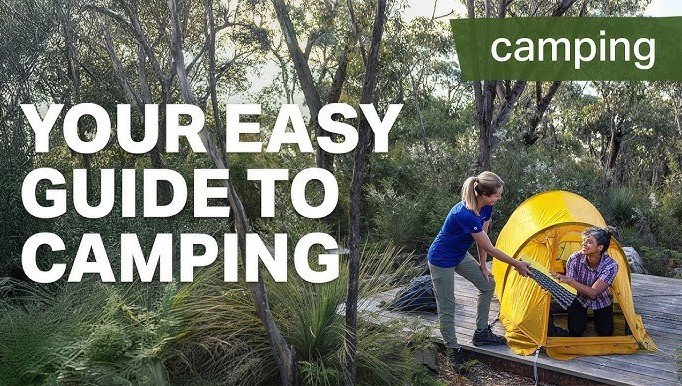
Camping is the ultimate way to disconnect from technology and reconnect with nature. Whether you are hiking, cooking over an open fire, or stargazing, knowing what do you do in camping ensures you create lasting memories while staying safe and comfortable in the wild.
When someone asks, “What do you do in camping?” they are often picturing a static scene of someone sitting in a lawn chair by a tent. However, in 2026, the outdoor experience has evolved into a vibrant blend of adventure, comfort, and deep nature immersion. Camping is far more than just “roughing it”; it is a lifestyle that invites you to trade the glow of your smartphone for the light of a campfire.
Whether you are a seasoned outdoors person or someone preparing for their very first night under the stars, the possibilities are endless. From high-tech glamping setups to minimalist backpacking, the activities you choose define your journey. This guide will help you understand how to fill your days with purpose, excitement, and peace while exploring the great outdoors.
Key Takeaways
- Preparation is Priority: Researching your destination and packing the right gear is the secret to a stress-free camping experience.
- Embrace the Outdoors: Camping isn’t just about sleeping in a tent; it’s about engaging in active hobbies like birdwatching, kayaking, or hiking.
- Master Camp Cooking: Elevating your campfire meals transforms camping from a survival trip into a gourmet outdoor getaway.
- Follow Leave No Trace: Protecting the environment ensures that the wilderness remains pristine for future generations of campers.
- Skill Building: Use your camping trips to master new skills like knot-tying, navigation, or identifying local wildlife.
- Tech-Free Relaxation: Treat your camping trip as a mental reset by leaving screens behind and focusing on your surroundings.
Choosing Your Camping Style and Location
Before you decide on the specific activities for your trip, you need to understand the environment you are entering. In 2026, the options range from highly managed campgrounds to remote backcountry sites.
Car Camping vs. Backpacking
If you are wondering what do you do in camping when you have a vehicle, you have the luxury of gear. Car camping allows you to bring comfort items like large coolers, foldable chairs, and even portable power stations.
You spend less time worrying about weight and more time setting up a comfortable base camp. Conversely, backpacking requires you to carry everything on your back. Here, the activity is focused on the journey hiking to a remote spot and setting up a light, efficient camp.
Selecting the Right Environment
Do you want to wake up to the sound of waves, the rustle of leaves, or the quiet of the desert? Your choice of terrain dictates what do you do in camping. Beach camping centers around swimming and sand-based sports, while mountain camping offers opportunities for peak bagging and climbing. Research your site ahead of time to see if there are marked trails, lake access, or historical landmarks nearby.
Mastering Camp Life and Cooking
For many, the soul of camping is the campfire. It is the communal hub where stories are told and meals are shared. If you are asking what do you do in camping to pass the time, the answer often involves perfecting the art of outdoor culinary creation.
Advanced Campfire Cooking
In 2026, camp cooking has moved far beyond hot dogs on sticks. With lightweight portable stoves and cast-iron cookware, you can prepare anything from gourmet breakfast scrambles to slow-cooked chili. Spend your afternoon prepping ingredients and your evening enjoying a meal under the canopy of trees.
Organizing Your Basecamp
A huge part of what do you do in camping involves maintaining your site. Organizing your gear, cleaning your campsite, and ensuring everything is waterproofed takes time and focus. This “chore” aspect of camping is actually quite therapeutic. It keeps your mind busy and ensures that when it is time to relax, your space is comfortable and inviting.
Active Pursuits in the Wilderness
If you have too much energy to just sit around, you might be wondering what do you do in camping to stay active. Nature provides a playground that no gym can replicate.
Hiking and Navigation
Hiking is the most popular way to explore a new camping area. Use 2026 navigation technology, such as updated GPS apps or traditional topographical maps, to plan a route. Discover hidden waterfalls, unique geological formations, or simply enjoy the cardio workout that comes with varied terrain. Remember to always share your hiking plan with a friend or ranger before heading out.
Water Sports and Fishing
If your campsite is near a body of water, kayaking, canoeing, or stand-up paddleboarding are excellent ways to get a different perspective of the landscape. Fishing is another timeless pastime. It teaches patience and allows you to observe aquatic life that is often hidden from those who stay on the shore.
Skill-Building and Nature Observation
Camping is the perfect classroom. If you want to know what do you do in camping that helps you grow, consider focusing on bushcraft and biology. The outdoors is full of lessons that you cannot find in a textbook.
Wildlife Watching and Photography
Equip yourself with a pair of high-quality binoculars or a camera. Spending an hour in total silence at dawn or dusk can reveal local fauna you might otherwise miss. Tracking wildlife is an art form that improves your awareness and connects you to the local ecosystem.
Learning Survival Skills
Use your trip to sharpen your survival skills. Practice knot-tying, identify local plants, or learn how to signal for help. These skills are not only practical if an emergency happens, but they also provide a huge sense of accomplishment. Understanding the natural world is a vital part of what do you do in camping to feel more at home in the woods.
Nighttime Activities Under the Stars
When the sun goes down, the real magic of camping begins. Many people forget that what do you do in camping often includes the quiet, meditative hours of the night.
Stargazing and Astronomy
Without light pollution, the night sky transforms. In 2026, many smartphone apps can help you identify constellations, planets, and satellites in real-time. Sitting back in a reclining chair to watch the Milky Way is a spiritual experience that serves as the perfect end to a long day of adventure.
Storytelling and Reflection
The campfire is a place for conversation. Without the distraction of screens, you can engage in deep, meaningful conversations with your companions. If you are solo camping, this is the perfect time for journaling or reading a book by the light of a headlamp. Reflection is a core component of what do you do in camping to improve your mental well-being.
Practicing Responsible Camping
Finally, no discussion on what do you do in camping is complete without mentioning stewardship. As campers, we are guests in nature’s home. We must ensure we leave the site better than we found it.
The Leave No Trace Principles
Always pack out what you pack in. Be careful with fire safety, especially in dry conditions. By following these rules, you help preserve the beauty of the outdoors for others. When you ask what do you do in camping, the answer should always include “protecting the environment.”
Conclusion
Ultimately, what do you do in camping is entirely up to you. Whether you want to climb mountains, cook fine meals, or simply sleep under the stars, the outdoors offers a blank canvas. By preparing well and keeping an open mind, you will find that camping provides a sense of freedom and discovery that is impossible to find anywhere else. So, pack your gear, lace up your boots, and go experience the wonder of nature for yourself.
Frequently Asked Questions
What should I pack for my first camping trip?
You should prioritize a high-quality tent, a sleeping bag rated for the season, a reliable headlamp, and a first-aid kit. Additionally, bring enough water, high-energy snacks, and appropriate clothing layers for changing weather conditions.
Is it safe to go camping alone?
Solo camping can be incredibly rewarding if you are prepared and stay within your skill level. Always inform someone of your location and expected return date, and choose a well-marked, safe campsite.
How do I keep my food safe from animals?
Always store your food in airtight containers or bear-proof canisters, especially in areas with wildlife. Never keep food inside your tent, as it can attract pests or larger animals to your sleeping area.
What do I do if it rains while camping?
Preparation is key; ensure your tent has a waterproof rainfly and a footprint to keep moisture out from below. Use your tent as a cozy space to play cards, read, or enjoy a warm drink until the weather passes.
How do I choose the best campsite?
Look for level ground that is elevated to avoid flooding, and ensure you are a safe distance away from dead trees or steep drop-offs. Researching sites online beforehand allows you to see photos and reviews from other campers.
How do I stay warm while camping at night?
Insulate yourself from the ground with a quality sleeping pad, wear moisture-wicking base layers, and use a sleeping bag suited for the ambient temperature. Avoid cotton, as it absorbs moisture and will make you colder throughout the night.